PPT · study material · multiple-file plan
legacy PowerPoint PPT presentation: encrypted file that will not open in the context of study material: multiple-file plan
A practical guide to encrypted file that will not open in the context of study material: verify the legacy PowerPoint PPT presentation, preserve the original, organize password clues, and choose an authorized recovery path. Keep each file, clue set, and search record separate.
When a file in legacy PowerPoint PPT presentation format from study material is blocked by encrypted file that will not open, begin with evidence rather than random attempts. Keep the original file unchanged, work from a copy, and write down what is genuinely known about the password. This avoids confusing a damaged file, an editing restriction, or a wrong extension with a password problem.
Verify the file before searching
First confirm that the file is really in legacy PowerPoint PPT presentation format and that a compatible application can recognize its structure. Renaming an extension does not convert a file. If another copy opens, compare dates and sizes before starting recovery. For Office and PDF files, distinguish an opening password from editing, printing, or worksheet protection because these are different cases.
Choose a focused recovery range
With encrypted file that will not open, the quality of the search range matters as much as compute power. A known prefix, suffix, capitalization pattern, or approximate length can remove a large amount of irrelevant work. Do not exclude a possibility unless the evidence is reliable.
Use the context as a source of clues
Before computing a file from study material, build a short clue sheet with confirmed facts, possible facts, and rejected assumptions. This makes it easier to narrow the range without accidentally removing the true password.
Organize several recovery tasks
If study material contains several protected files, create a separate record for this legacy PowerPoint PPT presentation and its encrypted file that will not open clues. Prioritize files with the clearest evidence, and do not copy assumptions from one file into every task. Separate progress and candidate ranges make it possible to run several recoveries without losing track of which evidence belongs to which file.
Online recovery with 8ma Password Recovery
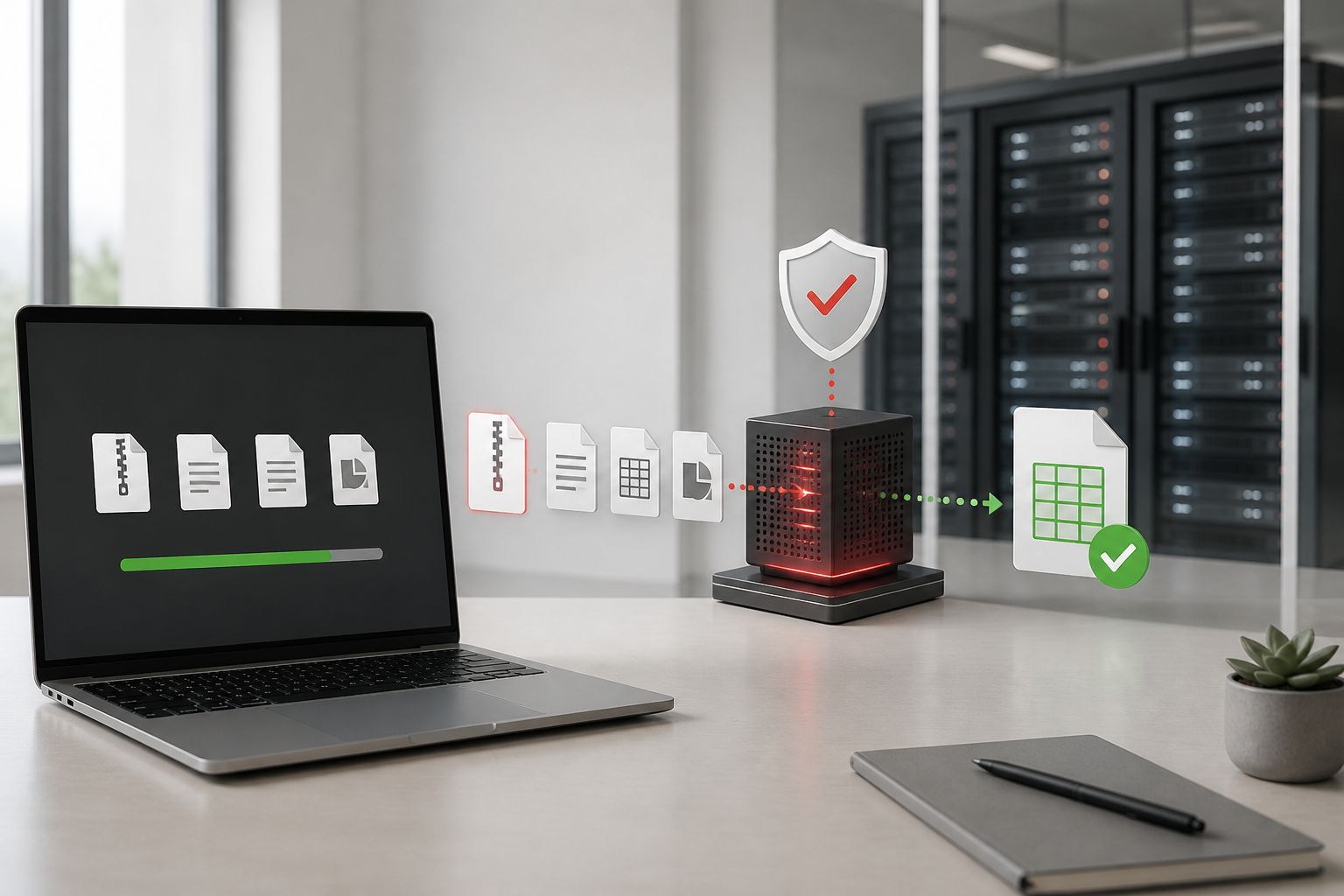
8ma Password Recovery accepts supported legacy PowerPoint PPT presentation files through the browser and runs password-recovery tasks on data-center servers. The work does not consume the user’s laptop CPU, and several file tasks can be tracked from the same browser. A basic compute allowance is included. If a reward option is available on the task page, earned points can be exchanged for more compute or access to a recovered result.
Read the result correctly
No result in a selected range does not prove that the file has no password. It only means the tested candidates did not match. Recheck the file type, the selected length and character groups, and any excluded clues before expanding the search. Recovery time and outcome depend on the real password, file format, and chosen range; no service can honestly guarantee a result.
Can the password for legacy PowerPoint PPT presentation always be recovered?
No. A result depends on the actual password, file condition, and candidates tested. A focused range improves efficiency but cannot guarantee success.
Does online recovery use my computer CPU?
No. After upload, the recovery task runs on remote data-center compute while the browser is used to view progress.